
Introducing Historic Royal Palaces
Discover illumin8’s Historic Royal Palaces collection of made-to-measure blinds and curtains, inspired by royal architecture, historic dress, gardens, porcelain and decorative details from six remarkable British sites.

The Five Questions Every Salesperson Should Ask
Selling made-to-measure blinds and curtains isn't about finding a colour or fabric the customer likes. It's about understanding how they live. These products are a long-term investment, often remaining in a home for many years, so customers expect guidance and reassurance before making a decision.
Many retailers begin with questions like, "What colour would you like?" or "Would you prefer curtains or Roman blinds?" While these are useful later in the conversation, they don't reveal what the customer actually needs. The best recommendations come from understanding the room, the people using it, and the purpose the window covering needs to fulfil.
1. Which room is it for?
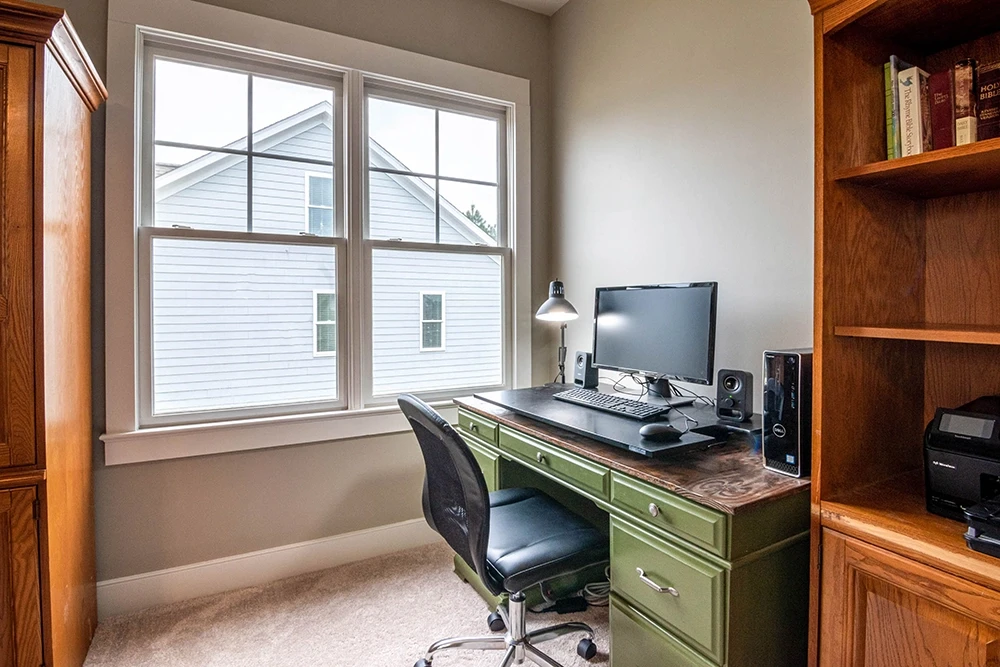
The room is the foundation of every recommendation. A bedroom has very different requirements from a kitchen or home office.
Bedrooms often benefit from blackout fabrics and thermal linings to improve sleep and comfort. Living rooms usually need a balance between privacy and natural light. Bathrooms require moisture-resistant products, while offices may need effective glare reduction.
Understanding where the blind or curtain will be installed immediately narrows the options and gives you a chance to explain why certain features are recommended.

2. How is the room used?
Two rooms can look identical but have completely different requirements.
A spare room used occasionally has different priorities from a home office used eight hours a day. Likewise, a family living room with young children has different needs from a quiet reading space.
Ask questions about their lifestyle.
Do they work from home?
Do they have children or pets?
Is the property equipped with smart home technology?
Do they want convenience through motorisation?
These answers help you recommend the right product rather than simply the right colour. Roller blinds, for example, are ideal for automation and compact spaces, while curtains naturally create a softer, more welcoming environment and offer excellent child-safe operation without cords.
3. What style are they trying to create?
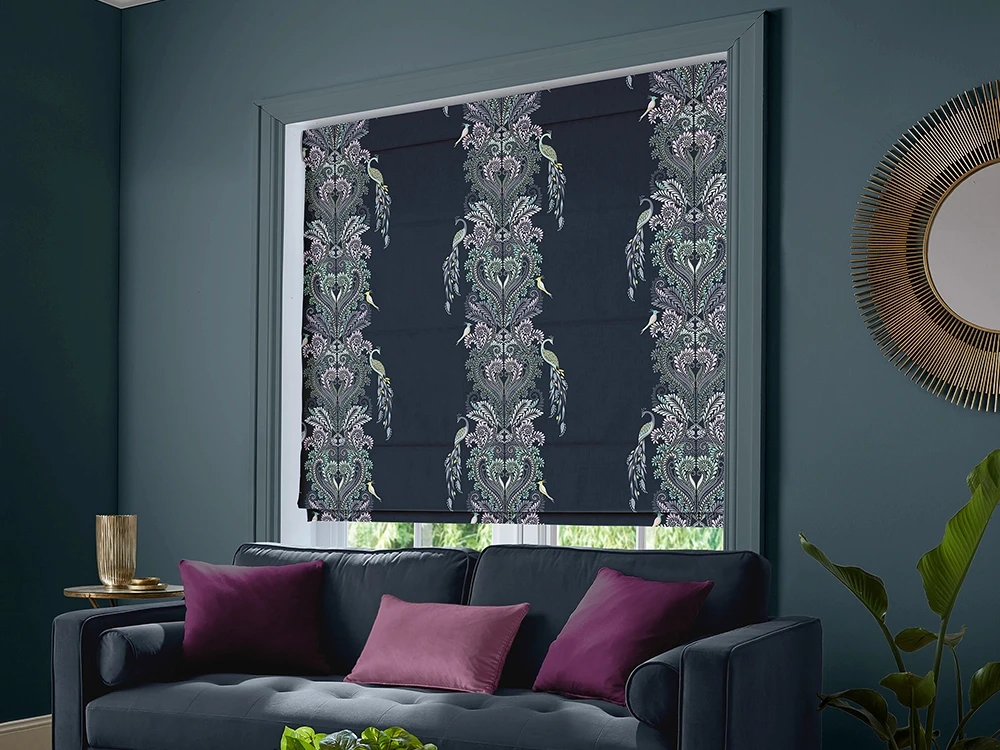
Made-to-measure window furnishings should complement both the customer's current home and the style they want to achieve in the future.
Many customers know what they like but struggle to describe it. Rather than asking broad questions such as "What's your style?", guide them with simple prompts.
What colour are your walls?
What colour is your sofa?
Is the room modern, traditional or somewhere in between?
Which pieces of furniture stand out?
These questions help customers visualise the finished room while giving you the information needed to narrow the design selection.
4. Which features matter most?

Once you understand the room and style, it's time to prioritise functionality.
Ask what matters most.
Maximum privacy?
Better insulation?
Reduced glare?
Easier cleaning?
Child safety?
Smart home integration?
Customers often don't realise how much the right features can improve their everyday experience. Explaining the benefits of each option builds confidence and demonstrates your expertise.

5. Which option would you like?
By this stage, you've done most of the work.
Instead of presenting hundreds of fabrics and expecting the customer to choose, use everything you've learned to recommend two or three suitable options.
A carefully selected shortlist feels manageable, while an entire collection often leads to decision paralysis. Even experienced professionals can struggle to remember every design available, so customers certainly will.
A confident recommendation shows expertise without removing the customer's freedom to choose.
Build Confidence, Not Pressure

The purpose of these questions isn't to steer customers towards your favourite product or speed up the sale. It's to help them understand what matters most to them.
When customers feel heard, they become more confident in their decision. They'll trust your recommendations because they're based on their needs, not your opinion.
Some customers will choose something you wouldn't. Others will need more time to decide. That's perfectly normal.
Your role isn't to make the decision for them. It's to guide them towards a choice they'll still be happy with years after it's installed.


